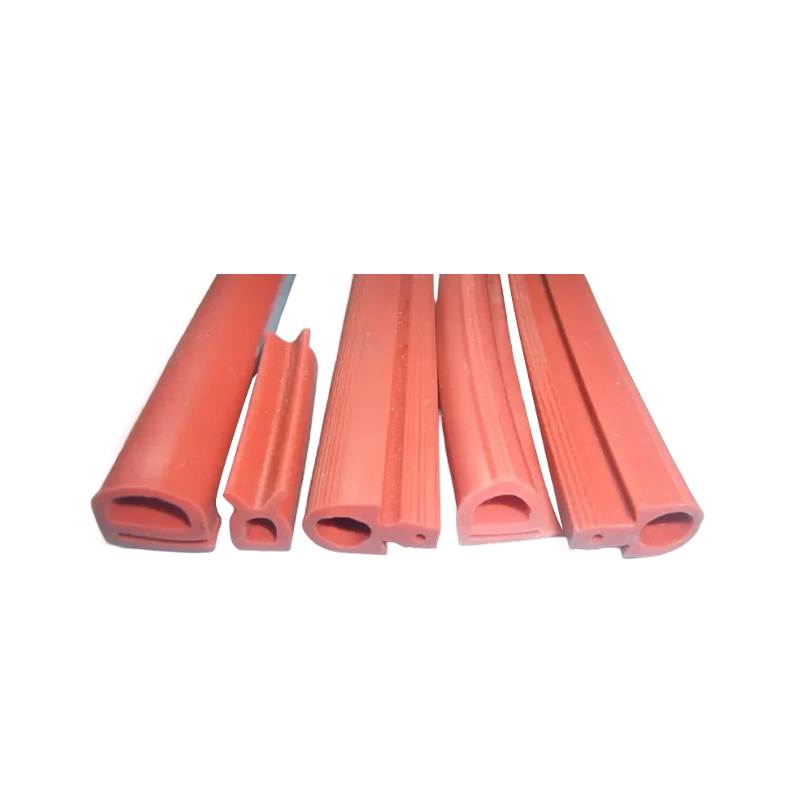
How can flame retardant silicone rubber simultaneously meet the requirements of flame retardancy and flexibility in wire and cable applications?
Publish Time: 2026-04-27
In the modern wire and cable industry, flame retardant silicone rubber, as a key insulation and protective material, is widely used in high-safety-level power transmission and distribution systems, rail transportation, and industrial equipment. Its core performance requirements typically focus on two aspects: firstly, excellent flame retardancy to ensure the slowing of fire spread in fire or high-temperature environments; and secondly, good flexibility to adapt to the cable's performance under laying, bending, and long-term vibration conditions.1. Flame Retardant System Design Ensures Safety PerformanceFlame retardant silicone rubber typically achieves its flame-retardant effect by adding inorganic flame-retardant fillers or organic flame-retardant systems to the base material, such as aluminum hydroxide and magnesium hydroxide. When the material is heated, these flame retardants can release moisture or form an insulating layer, thereby reducing the combustion temperature and inhibiting flame propagation. While ensuring safety, this mechanism also places higher demands on the material structure, requiring avoidance of decreased flexibility due to excessive filler.2. Silicone Rubber Matrix Provides Excellent ElasticitySilicone rubber itself possesses excellent molecular chain flexibility, allowing it to maintain good elasticity and resilience even under low temperatures or dynamic bending conditions. This natural flexibility provides a foundation for the introduction of flame-retardant systems, enabling the material to maintain a certain degree of flexibility after the addition of flame-retardant components, thus meeting the needs of wires and cables in complex laying environments.3. Filler Dispersion Optimization Balances Mechanical PropertiesThe addition of flame retardants often affects the flexibility of materials, making their dispersion state particularly crucial. By optimizing the mixing process, flame-retardant particles are evenly distributed within the silicone rubber matrix, reducing localized stress concentration and mitigating the problem of excessively rapid increases in material rigidity. This uniform structure helps maintain good flexibility while ensuring flame-retardant performance.4. Formula Ratio Control Achieves Performance BalanceIn material design, there is often a trade-off between flame-retardant performance and flexibility. By precisely controlling the proportion of flame retardant added, the impact on elastic properties can be minimized while meeting safety standards. Meanwhile, the introduction of a synergistic flame-retardant system allows for higher flame-retardant efficiency at lower addition levels, thus preserving more matrix elasticity.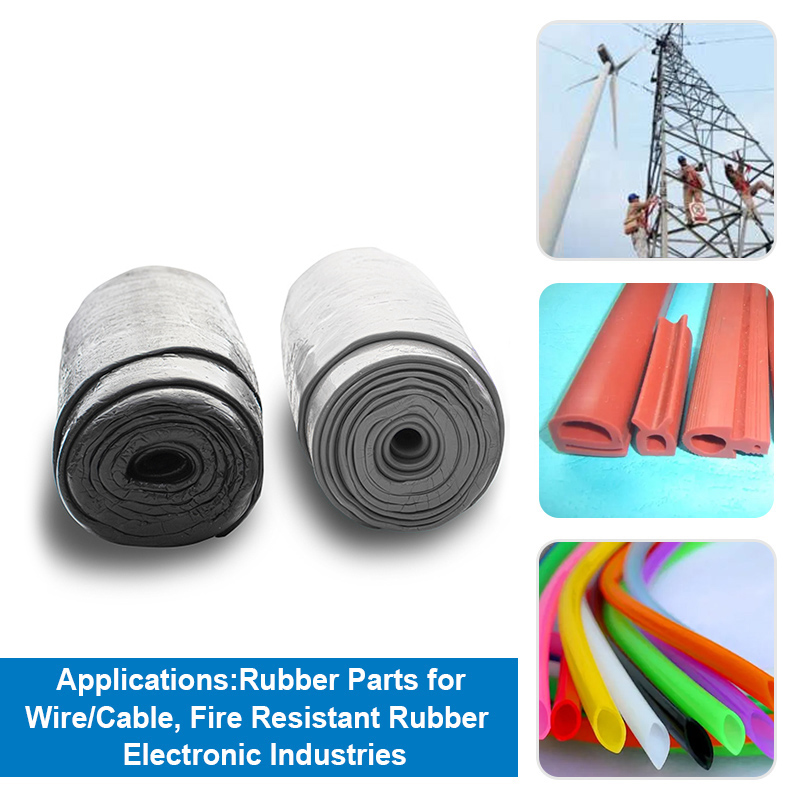 5. Optimized Processing Technology Enhances Overall PerformanceExcellent processing performance allows flame retardant silicone rubber to better maintain structural uniformity during molding. By rationally controlling the vulcanization process and temperature profile, the problem of material hardening due to excessive cross-linking can be avoided, thus maintaining flexibility in the finished product stage. Furthermore, advanced extrusion and molding processes also contribute to improving the surface quality and overall consistency of the cable sheath.6. Structural Design Enhances Usage AdaptabilityIn wire and cable applications, flame retardant silicone rubber is typically used as an outer sheath, and its structural design also affects overall flexibility. By controlling wall thickness and structural layers, bending resistance can be reduced while ensuring flame-retardant performance, making cables easier to install and route.In summary, flame retardant silicone rubber achieves an effective balance between flame-retardant performance and flexibility through a rational flame-retardant system design, the elastic advantages of the silicone rubber matrix, filler dispersion control, and optimized processing technology. This comprehensive performance advantage makes it of great application value in the field of wires and cables, and meets the dual requirements of modern industry for safety and reliability.