How do parking sensor silicone seals maintain their sealing performance and low-temperature elasticity in extreme high and low temperature environments?
Publish Time: 2026-03-30
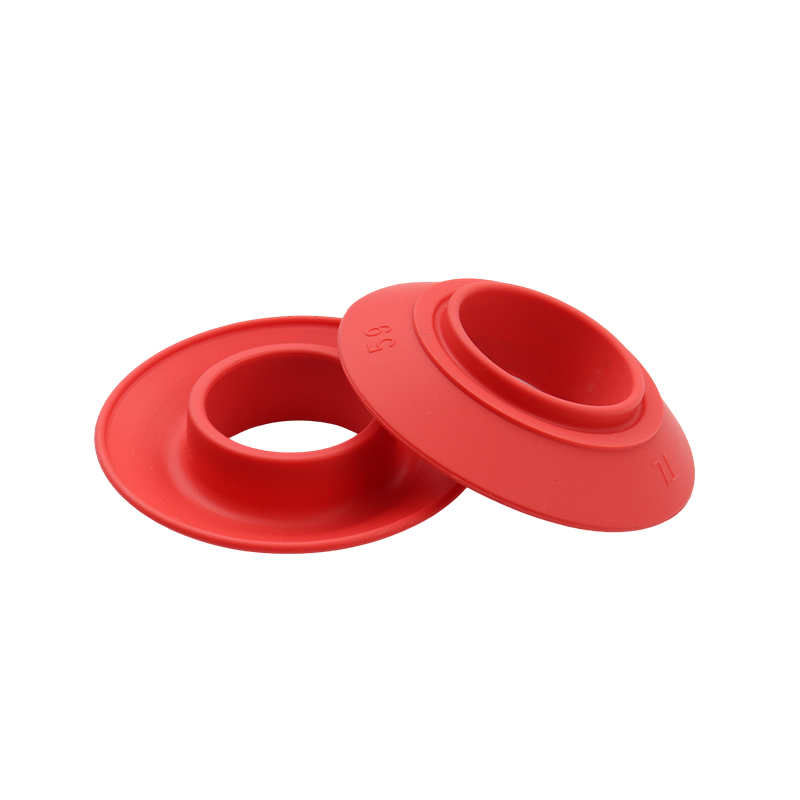
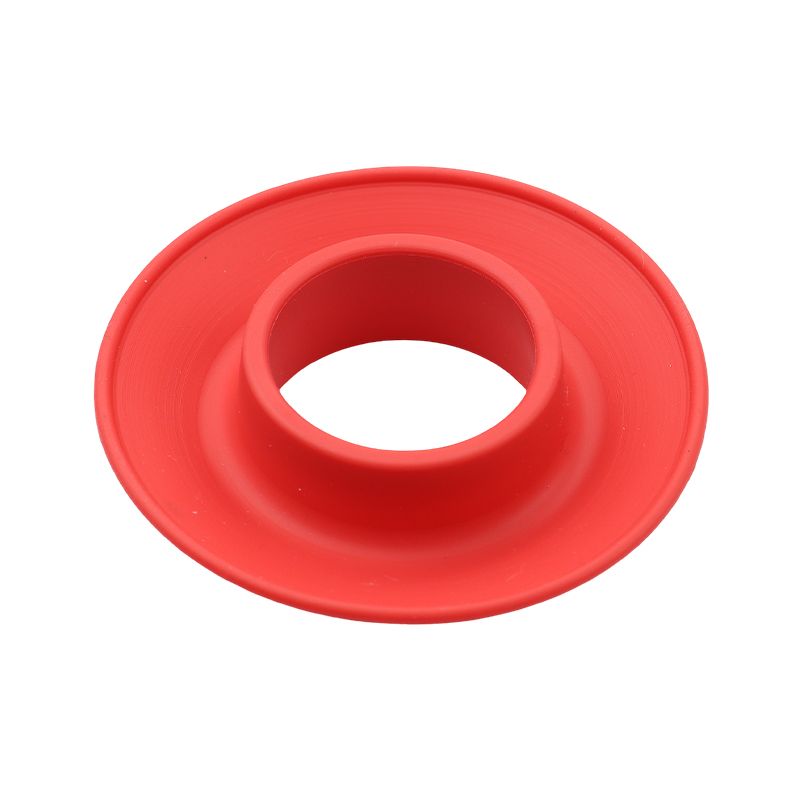
In modern automotive electronic systems, parking sensors are crucial components of intelligent driver assistance systems, and their reliability directly impacts vehicle safety. For the long-term stable operation of parking sensors, the parking sensor silicone seal not only needs to be waterproof, dustproof, corrosion-resistant, and weather-resistant, but it must also maintain its sealing performance and low-temperature elasticity under extreme high and low temperature conditions to ensure the sensor functions normally in various climatic conditions.1. Silicone Sealing Ring Material CharacteristicsThe excellent performance of parking sensor silicone seals under high and low temperature conditions is mainly due to the physicochemical properties of silicone itself. Silicone has excellent high-temperature resistance, withstanding short-term ambient temperatures of 150°C or even higher, while maintaining softness and elasticity in low-temperature environments, with temperatures as low as -60°C or even lower. This wide temperature adaptability allows the silicone seal to maintain an effective seal in the high temperatures of the car engine compartment, high summer temperatures, and cold winter environments, preventing moisture, dust, or chemical corrosives from entering the sensor.2. Low-Temperature Elasticity for Guaranteed Sealing PerformanceIn low-temperature environments, many rubber materials lose elasticity due to hardening or brittleness, leading to seal failure. Silicone sealing rings, however, possess excellent low-temperature elasticity, maintaining a tight seal against the sensor housing even in cold climates, ensuring reliable sealing. This elasticity stems from the flexibility of the silicone molecular structure, preventing excessive shrinkage or cracking at low temperatures, thus maintaining stable protective performance. Whether in the frigid winters of northern regions or high-altitude, low-temperature environments, the sensor continues to function normally, ensuring vehicle reversing assistance and parking safety.3. Stability in High-Temperature EnvironmentsIn extreme high-temperature environments, such as direct sunlight in summer or the high temperatures around the engine compartment, sealing ring materials may expand or age. Silicone sealing rings, with their specially optimized formula, can withstand prolonged high temperatures without losing elasticity or chemical stability. Simultaneously, their oxidation and UV resistance prevent surface aging, ensuring a tight seal against the sensor interface even under continuous high temperatures, preventing rainwater or moisture infiltration.4. Structural Design and Installation OptimizationBesides material properties, the geometric design and installation method of silicone sealing rings directly affect their sealing performance under extreme temperatures. The sealing ring typically employs a low-compressibility design, ensuring a tight contact with the sensor interface even during high-temperature expansion or low-temperature contraction. Furthermore, optimizing the sealing groove depth, cross-sectional shape, and elastic distribution enhances the overall sealing performance under vibration, impact, and thermal expansion and contraction conditions.5. Long-Term Aging ResistanceDuring long-term use, the parking sensor silicone seal also needs to withstand the fatigue effects of temperature cycling. Silicone materials possess excellent weather resistance and chemical stability, enabling long-term operation without failure in various environments, including high and low temperatures, rain, salt spray, and automotive detergents. This aging resistance not only guarantees sealing performance but also reduces maintenance frequency, improving the reliability and lifespan of vehicle electronic systems.In summary, the parking sensor silicone seal, through scientific material selection, precise structural design, and high-performance chemical formulation, achieves reliable sealing and low-temperature elasticity in extreme high and low temperature environments. It not only extends the sensor's lifespan but also improves the stability and safety of the entire vehicle's intelligent electronic system, providing a solid foundation for modern automotive intelligence.