In modern materials science, general-purpose silicone rubber has become one of the preferred materials for food contact products due to its superior comprehensive performance. Especially in fields with extremely high requirements for safety, hygiene, and user experience, such as kitchenware, infant toys, and home appliances, general-purpose silicone rubber demonstrates irreplaceable advantages. Its core characteristics—high transparency, excellent processing performance, and outstanding colorability—not only meet functional needs but also align with consumers' dual expectations of aesthetics and health.
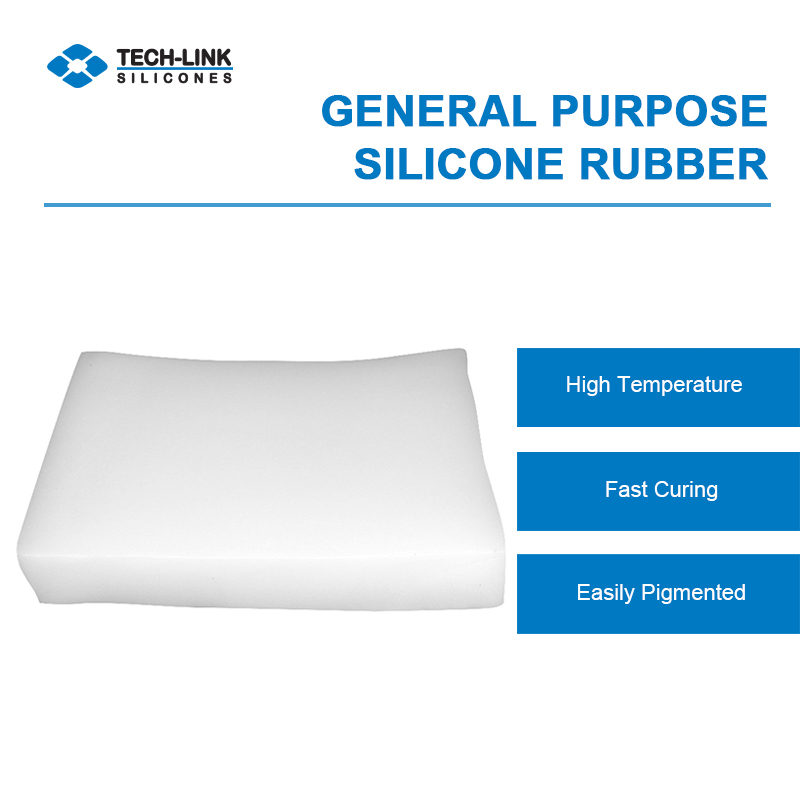
1. High Transparency: Enhancing Product Texture and Safety VisibilityGeneral-purpose silicone rubber possesses naturally high transparency, achieving a clear effect similar to glass or crystal in finished products. This characteristic is significant in food contact applications. For example, when manufacturing baby bottle nipples, baking molds, or coffee machine seals, users can directly observe whether the material is clean, free of impurities, or mold, greatly enhancing their sense of security. Simultaneously, high transparency gives products a high-end, pure visual appeal, aligning with the modern design trends of kitchenware and children's products that pursue simplicity and health. More importantly, this transparency is not achieved by adding harmful plasticizers, but rather stems from the optical stability of the silicone rubber molecular structure itself, ensuring it remains clear, without yellowing or clouding, even after long-term use or high-temperature cooking.2. Excellent Processing Performance: Supporting Complex Structures and High-Efficiency Mass ProductionGeneral-purpose silicone rubber excels in processing, achieving high precision and efficiency in compression molding, extrusion, and liquid injection molding. Its excellent flowability allows for perfect replication of mold details, making it suitable for manufacturing baking mats with fine textures, multi-cavity ice cube trays, or irregularly shaped kitchen utensil handles. In the home appliance sector, sealing rings and shock-absorbing pads in devices such as rice cookers, air fryers, and juicers often have complex structures and stringent tolerance requirements. Silicone rubber exhibits low shrinkage and good dimensional stability during vulcanization, ensuring high consistency in batch products. Furthermore, its rapid curing characteristics significantly shorten production cycles and reduce energy consumption, providing strong support for manufacturers to increase production capacity and control costs. Its excellent processing adaptability also allows silicone rubber to flexibly meet the dual demands of small-batch customization and large-scale industrial production.3. Easy to Color: Meeting Diverse Aesthetic and Functional Identification NeedsGeneral purpose silicone rubber is colorless and transparent with strong chemical inertness, making it highly compatible with various food-grade pigments or masterbatches, achieving rich, uniform, and long-lasting color performance. This characteristic is particularly prominent in the toy and kitchenware industries. Products such as baby teethers and feeding spoons often use soft macaron colors to attract children's attention and convey a sense of safety and friendliness; while kitchen silicone spatulas and heat-resistant gloves can use bright colors such as red, blue, and green to distinguish their uses, improving ease of use and hygiene standards. More importantly, the pigments used comply with international food contact material regulations such as FDA and LFGB, and will not leach harmful substances or fade and contaminate food even under boiling water sterilization or microwave heating conditions. This "safe coloring" capability allows general purpose silicone rubber to maintain food safety standards while balancing functionality and aesthetics.4. Cross-Industry Applications Verify its ReliabilityThanks to the above advantages, general purpose silicone rubber has been widely applied in many food-related scenarios. In the toy industry, it's used to manufacture chewable, sterilizable pacifiers and sensory integration training devices; in the kitchenware sector, from silicone spatulas and baking mats to vacuum sealant lids, its heat-resistant, odorless, and non-toxic properties are crucial; in household appliances, it serves as a key sealing and cushioning component in coffee makers, water dispensers, and blenders, ensuring airtightness and quiet operation over long periods; even in automotive parts, such as car refrigerator sealing strips or fluid interfaces in new energy vehicle battery cooling systems, it must meet food-grade cleanliness standards to prevent coolant contamination or odor migration. These successful cross-industry applications fully demonstrate the technological maturity and market acceptance of general-purpose silicone rubber in food contact scenarios.
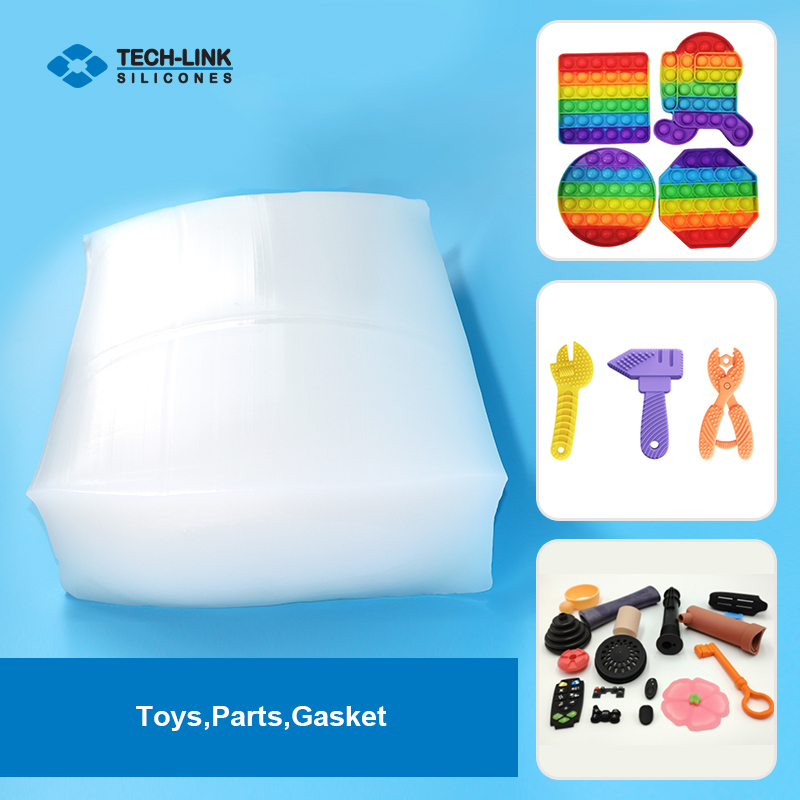
In summary, with its three core advantages—high transparency, excellent processing performance, and ease of safe coloring—general-purpose silicone rubber not only meets the stringent requirements for safety, functionality, and aesthetics in food contact materials but also drives the development of related products towards higher quality and more user-friendly designs, becoming an indispensable basic material for modern healthy living.