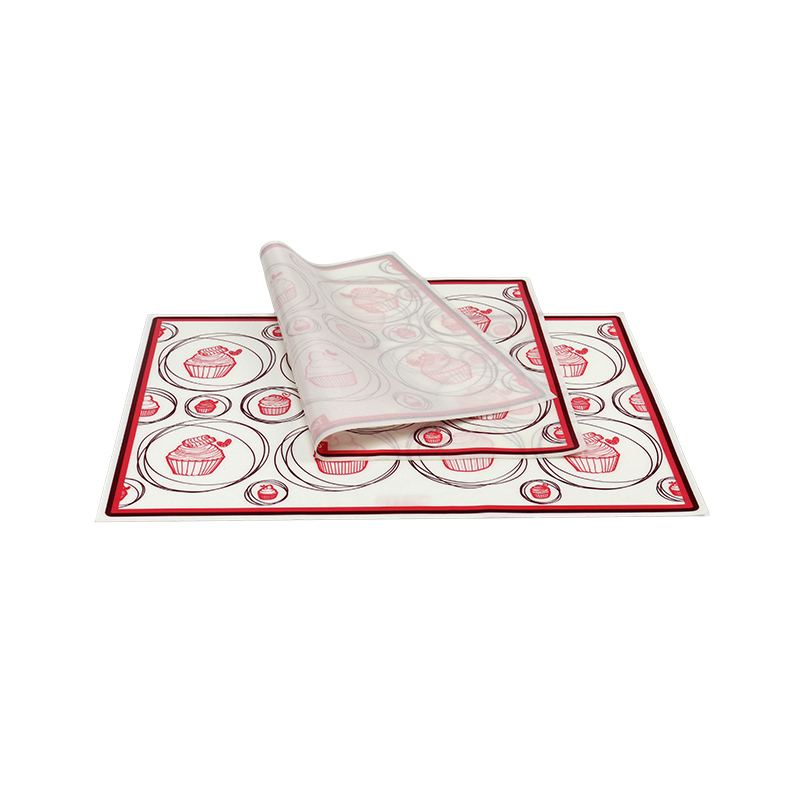
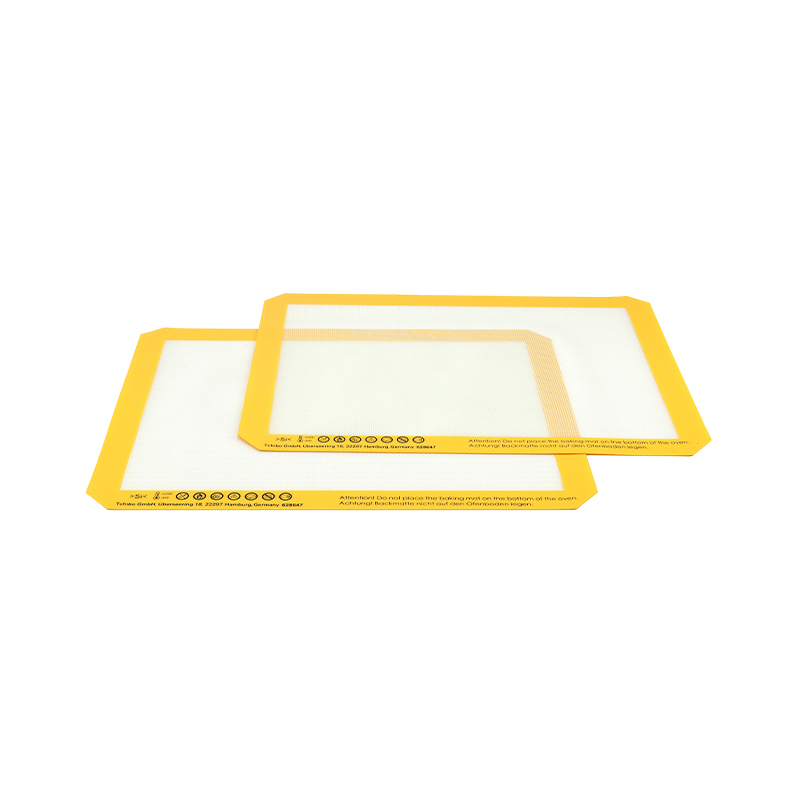
How do silicone coated placemats improve the stability of tableware during use through their anti-slip structural design?
Publish Time: 2026-06-25
In modern family dining and children's dining scenarios, tableware slipping and tipping not only affect the dining experience but can also pose safety hazards. Silicone coated placemats, with their excellent anti-slip properties, soft texture, and good durability, are gradually becoming an important part of tableware. Among them, the anti-slip structural design is a key factor in improving the stability of tableware. Through the combination of material surface properties and microstructure optimization, the tableware is made more stable and safer during use.1. The High Friction Properties of Silicone Material ItselfSilicone material has a naturally high coefficient of friction, which is the basis for its anti-slip function. Compared to ordinary plastic or cloth placemats, the silicone coating can create stronger friction with the bottom of the tableware and the table surface. When tableware is placed on the placemat, the silicone surface can effectively "grip" the bottom of the tableware, reducing slippage caused by slight pushing or vibration, thereby improving overall stability.2. Enhanced Surface Texture for Improved AdhesionIn addition to the inherent properties of the material itself, silicone-coated placemats often feature micro-textured surfaces, such as raised dots, honeycomb structures, or corrugated designs. These microstructures increase the contact area, creating multi-point contact between the cutlery and the placemat, thereby further enhancing friction. Under varying forces or tilting conditions, these structures effectively distribute pressure, preventing the cutlery from shifting.3. Adhesive-Fit Base for Improved Tabletop FitSilicone-coated placemats also employ an adhesive or vacuum-bonded base, ensuring the placemat itself adheres firmly to the table. When the placemat doesn't slip, the stability of the cutlery on top is also improved. This "double anti-slip" structure not only reduces the likelihood of the placemat shifting but also further enhances the safety of the cutlery placement.4. Flexible Cushioning Structure Reduces External Force ImpactThe silicone coating possesses good flexibility and elasticity, providing a cushioning effect when subjected to external impacts. When tableware is slightly bumped or moved, the placemat can absorb some energy through deformation, reducing the direct transfer of impact force to the tableware and thus lowering the risk of slipping or tipping. This flexible cushioning property is especially important in situations where children are eating or where the table is crowded.5. Oil and Water Repellency Maintains Stable FrictionCommon oil and water stains during dining can reduce the anti-slip effect of ordinary placemats, while the silicone coating has excellent water and oil repellency, effectively preventing liquids from penetrating the material. Because the surface is not easily covered by dirt, its anti-slip structure can maintain stable performance over a long period, maintaining a high coefficient of friction even after frequent use and washing.6. Overall Structural Design Enhances SafetySilicone coated placemats are typically designed with thickness, texture distribution, and edge structure in mind to ensure stability under different stress conditions. For example, a thickened edge design prevents the placemat from warping, while a uniformly distributed anti-slip structure ensures good stability of the tableware in all positions. This overall structural optimization makes the tableware more reliable during use.7. Suitable for Multiple Dining NeedsWith its superior anti-slip design, silicone coated placemats are not only suitable for family dining tables but also widely used in children's tableware, cafes, restaurants, and outdoor picnics. In different environments, its anti-slip performance effectively copes with changes in tabletop materials and external forces, providing users with a more stable and reassuring dining experience.Silicone coated placemats utilize the material's inherent high friction properties, surface microstructure design, absorbent bottom layer structure, and flexible cushioning properties to create a highly efficient anti-slip system. This multi-layered structural design significantly improves the stability of tableware during use, reducing the risk of slipping and tipping, while maintaining good durability and ease of cleaning. As the requirements for safety and comfort in household products increase, silicone coated placemats will play an important role in more dining scenarios.